Amir Krause · 18 September 2026
Flour Sector Adapts Protocols as FDA Outlines New Contaminant Guidelines
Flour mills across the United States have begun rolling out enhanced testing regimens and batch segregation systems following recent FDA proposals that target contaminants such as heavy metals, mycotoxins, and pesticide residues in grain products. These proposals, released earlier in 2026, outline stricter thresholds that mills must meet to ensure product safety before distribution reaches bakeries and retail shelves.
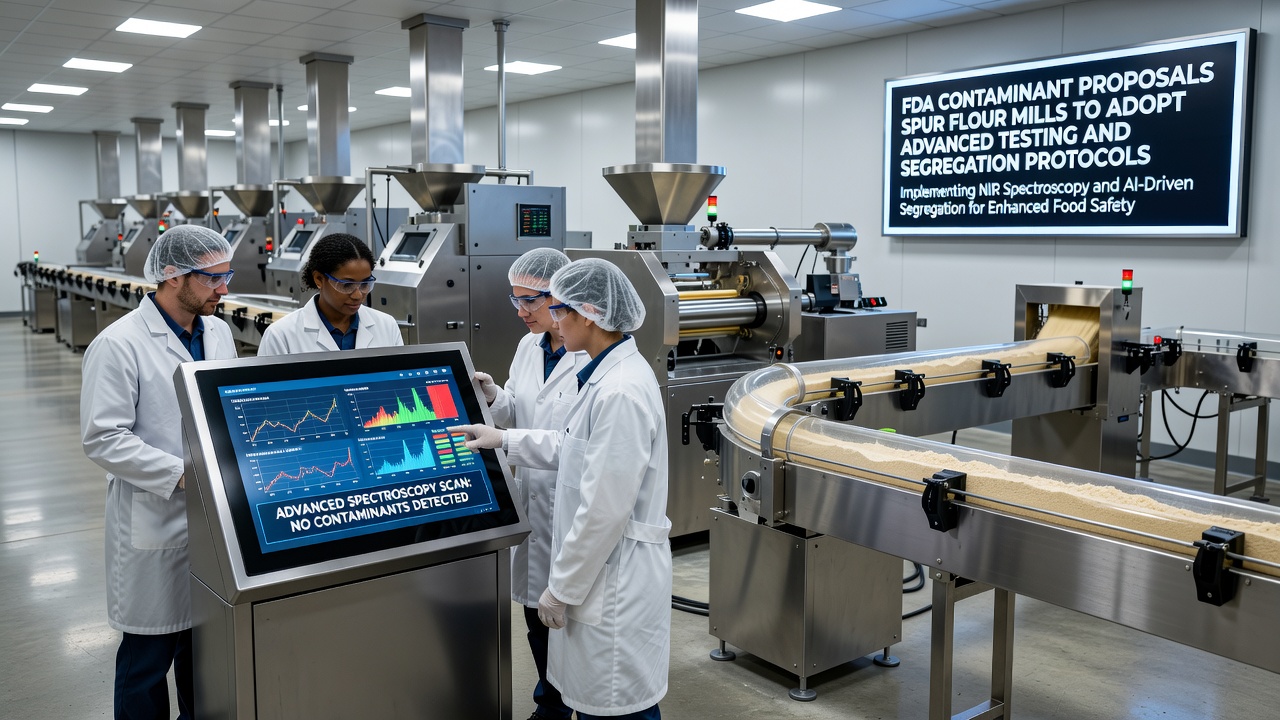
Data from the agency shows elevated levels of certain elements in some wheat-derived flours during routine sampling conducted through 2025, prompting calls for mills to verify incoming grain lots with greater precision. Facilities have responded by installing near-infrared spectroscopy units alongside polymerase chain reaction assays that detect trace impurities faster than older wet chemistry methods allowed. One processing plant in Kansas reported completing installation of three new testing stations by late August 2026, allowing operators to scan every incoming truckload within minutes rather than relying on periodic lab submissions.
Testing Upgrades Take Hold
Advanced analytical tools now form the backbone of daily operations at many mills, and researchers at land-grant universities have documented how these instruments reduce false positives that previously led to unnecessary rejections. Mills integrate automated sorting conveyors that divert suspect batches into isolated holding areas while clean material continues downstream. This approach minimizes cross-contact risks during storage and transport phases that once required manual intervention.
Industry reports indicate adoption rates climbed steadily after the FDA published draft guidance documents in March 2026. Equipment suppliers noted a 40 percent increase in orders for portable X-ray fluorescence devices between April and September of that year, with deliveries prioritized for larger Midwest and Pacific Northwest operations. Smaller facilities have formed cooperatives to share mobile testing labs that rotate on scheduled circuits, cutting per-unit costs while meeting the same verification standards.
Segregation Systems Expand
Segregation protocols require physical separation of grain streams based on origin, variety, and test results. Mills now maintain color-coded bins and dedicated transfer lines that prevent mixing of compliant and non-compliant lots during cleaning, tempering, and milling stages. Software platforms track each lot through RFID tags and cloud-based logs, creating audit trails that satisfy both FDA inspectors and downstream customers who demand full traceability.
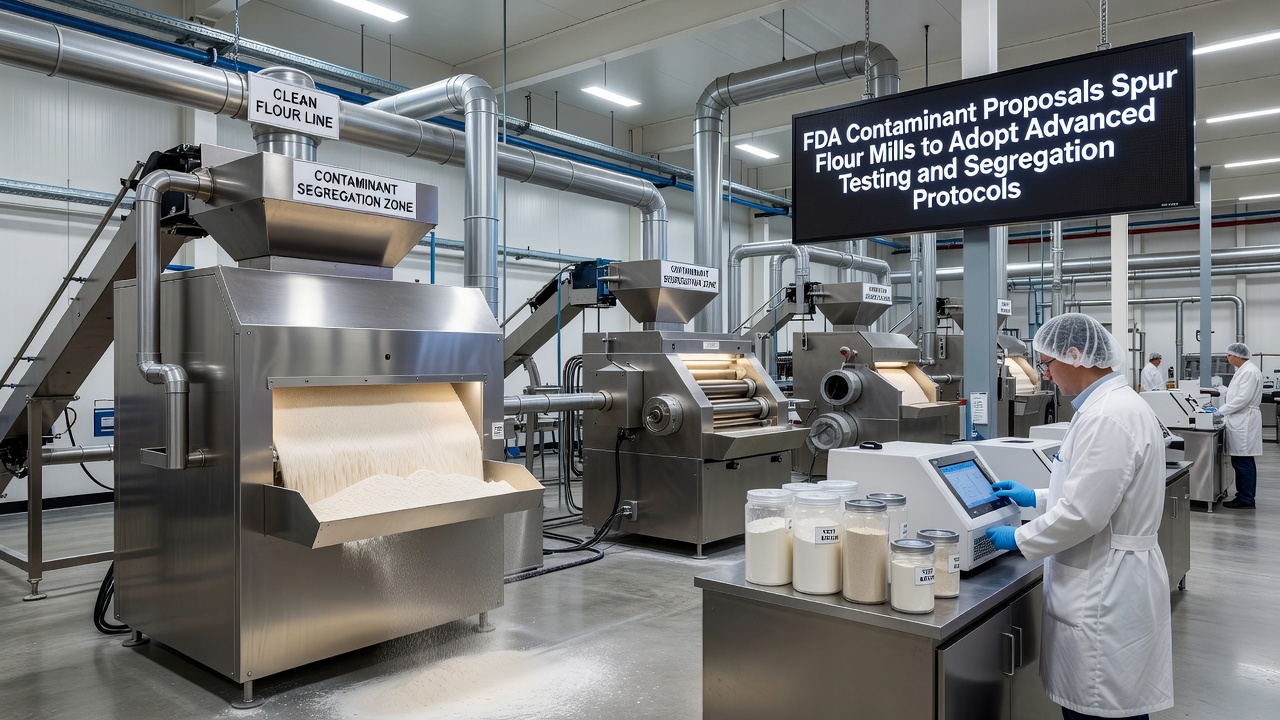
According to figures released by the Grain and Feed Trade Association, similar segregation frameworks already operate in Canadian facilities where Health Canada tightened limits on ochratoxin A two years earlier. Those systems demonstrated measurable drops in recall incidents, and U.S. operators have studied the Canadian model when designing their own layouts. European mills governed by EFSA standards have also shared data on multi-hazard testing sequences that combine heavy metal screens with allergen and mycotoxin panels in single passes.
Operational Adjustments Continue
Staff training programs have expanded to cover new sampling frequencies and documentation requirements. Mills schedule weekly internal audits that mirror FDA inspection checklists, and several facilities now employ third-party laboratories for quarterly verification of in-house results. Costs associated with these upgrades vary by scale, yet larger operations report that the capital outlay pays for itself through avoided rejections at customer receiving docks.
Supply chain partners including elevator operators and farmers have joined the effort by submitting pre-shipment certificates that detail field-level practices such as fungicide application timing and soil testing. This upstream data feeds into mill decision trees that determine whether a given load undergoes extra scrutiny before acceptance. Observers note that the combined effect has tightened coordination across the entire wheat-to-flour pathway without disrupting overall throughput volumes.
Conclusion
Flour mills continue refining their testing and segregation practices as the FDA moves toward finalizing contaminant proposals expected later in 2026. The sector has demonstrated capacity to incorporate new analytical methods and logistical controls while maintaining production schedules. Ongoing collaboration between regulators, equipment vendors, and mill operators supports consistent compliance across facilities of different sizes and regions.