Amir Krause · 30 October 2026
Reviving Heirloom Wheats Through Seed Bank and Mill Partnerships
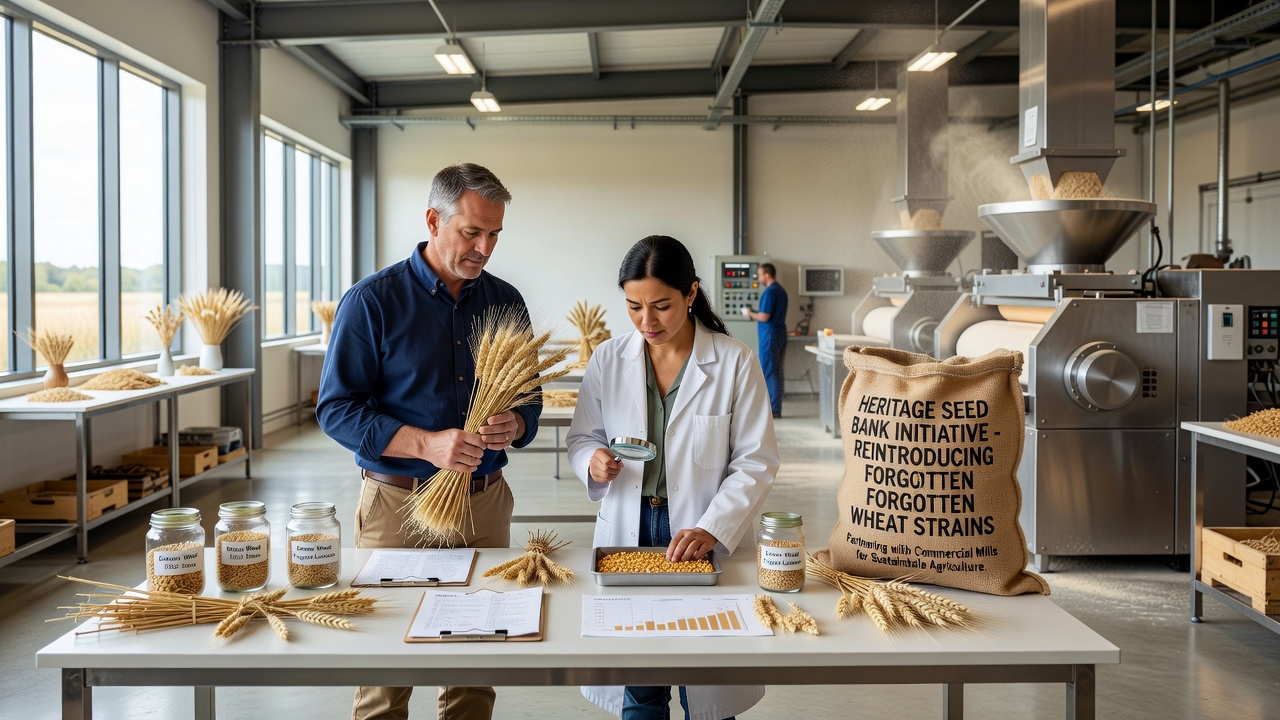
Heritage seed banks maintain collections of older wheat varieties that commercial agriculture largely set aside decades ago, and these institutions have started forming direct partnerships with milling companies to grow and process those strains again. The collaborations focus on varieties such as Red Fife, Turkey Red, and Marquis, which offer distinct protein profiles and flavor compounds documented in agricultural research records.
Background on Discontinued Strains
Many wheat types fell out of widespread production after the mid-twentieth century because newer hybrids delivered higher yields under intensive fertilizer regimes, yet those older lines carried genetic traits for drought tolerance and specific disease resistance that remain catalogued in seed bank inventories. Data from long-term variety trials show that some heritage lines maintain stable performance in low-input systems where modern cultivars require additional inputs to reach comparable output levels.
Seed banks in North America and Europe have preserved thousands of accessions, and milling operators now access those stocks under material transfer agreements that specify propagation limits and quality testing protocols. The arrangements allow mills to contract with growers who plant foundation seed derived from bank holdings, which creates traceable supply chains for flour production.
Partnership Mechanics and October 2026 Developments
Commercial mills supply equipment specifications to growers and seed banks, ensuring harvested grain meets milling standards for moisture content and test weight before intake. In October 2026 several facilities reported initial commercial runs of flour from revived strains, with batch records indicating extraction rates between 72 and 78 percent depending on kernel hardness. Those runs followed multi-year field evaluations coordinated between banks and university extension services.
Observers note that the timing aligns with updated procurement guidelines from regional grain exchanges that began accepting heritage lots under separate quality categories. Contracts typically include clauses for genetic purity verification through DNA marker analysis, which seed banks perform prior to distribution.
Documented Agronomic and Nutritional Attributes
Research from the USDA Agricultural Research Service indicates that certain heritage wheats contain higher concentrations of specific phenolic compounds compared with dominant modern varieties, while Agriculture and Agri-Food Canada reports note differences in gluten strength that affect dough handling characteristics during commercial baking. These attributes have prompted mills to adjust roller settings and tempering times when processing the revived grains.
Yield data collected across multiple growing seasons show that heritage strains often produce 15 to 25 percent less grain per acre than current high-yielding cultivars under identical management, yet they demonstrate lower susceptibility to certain rust races in untreated plots. Growers participating in the partnerships receive technical support on planting density and harvest timing calibrated to each variety's maturation profile.
Supply Chain Integration Steps
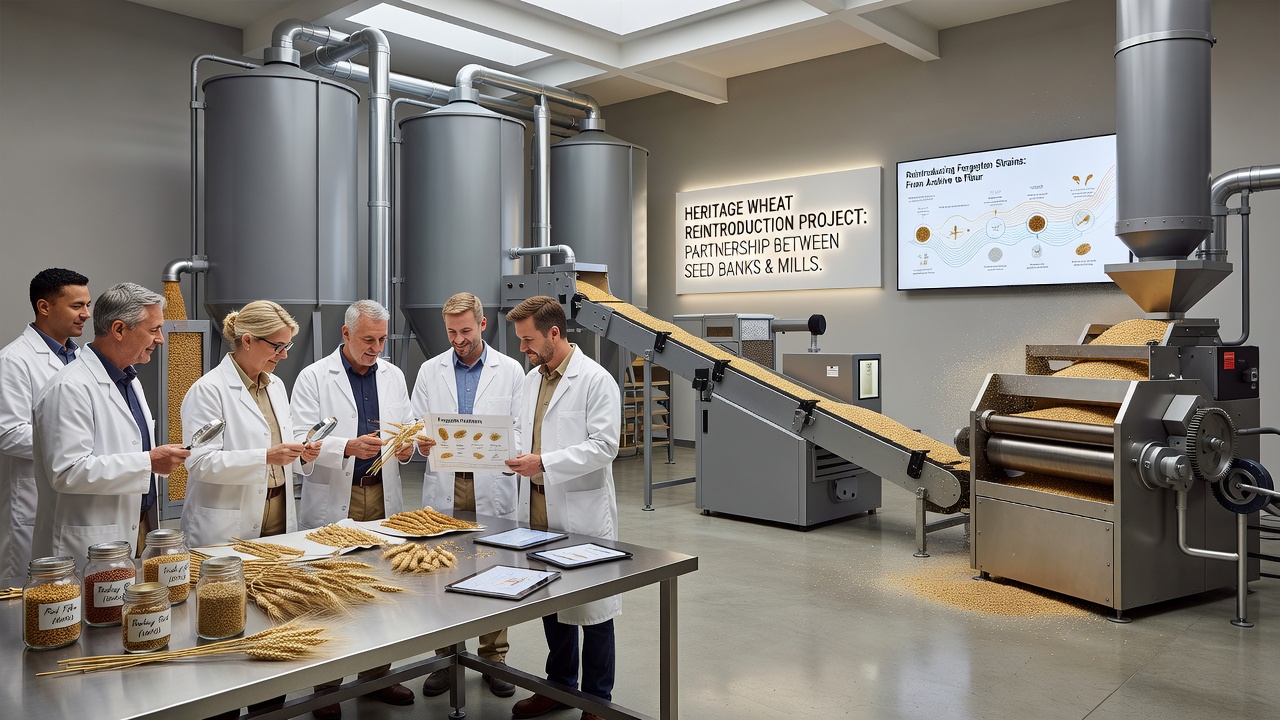
Mills integrate heritage wheat into existing production schedules by dedicating separate storage bins and cleaning lines to prevent cross-contamination with commodity lots. Traceability documentation accompanies each delivery, listing the originating seed bank accession number alongside grower field identifiers. Processors then conduct pilot bakes to establish flour performance benchmarks before scaling to full production volumes.
Regional cooperatives have formed around these arrangements, pooling acreage commitments so that mills secure sufficient quantities for consistent flour output throughout the year. Storage facilities maintain controlled atmospheres to preserve seed viability for subsequent planting cycles, which seed banks monitor through periodic germination tests.
Challenges in Scaling Operations
Logistical hurdles include synchronizing harvest windows across geographically dispersed growers and aligning those dates with mill downtime for equipment sanitation. Some heritage varieties exhibit uneven ripening, requiring multiple passes with combines that increase operational costs compared with uniform modern stands. Quality variability between lots has led mills to implement additional testing at intake points, measuring parameters such as falling number and mycotoxin levels beyond standard commodity protocols.
Seed banks address propagation limits by maintaining isolated increase plots that supply only enough foundation seed for contracted acreage, which prevents over-distribution while meeting demand growth. Regulatory frameworks in multiple jurisdictions classify these revived varieties under distinct registration pathways that require performance data submissions before commercial release.
Conclusion
Partnerships between heritage seed banks and commercial mills continue to expand the range of wheat strains available for flour production, supported by documented agronomic traits and quality verification procedures. Ongoing field evaluations and milling trials provide data that inform future contract structures adn processing adjustments. These arrangements establish supply pathways that connect preserved genetic resources with current manufacturing requirements while maintaining compliance with established industry standards.